Our Values

What guides every visit we schedule

Pet care built around consistency has to start with a clear set of principles. These are the ones we return to whenever we plan a route, train a caregiver or write up a visit summary.

Most of what matters in this work happens quietly. A dog gets walked at the same time each afternoon. A cat's water bowl stays full. A caregiver notices a limp that wasn't there yesterday and mentions it before it becomes something larger. None of that shows up in a sales pitch, but it is the actual substance of the service. Below are the values that shape how we operate day to day, not as slogans but as working guidelines.

Consistency Over Convenience

A visit scheduled for 12:30 happens at 12:30, not whenever the day allows.

We build routes with enough buffer that traffic or weather rarely pushes a visit outside its window. When something does shift, you hear about it directly.

Visibility, Not Guesswork

GPS routes and photo updates exist so you are never left wondering what happened.

We treat the update as part of the visit itself, not an afterthought tacked on at the end of the day.

Attention to Small Signals

A change in appetite or energy is worth noting, even when nothing seems seriously wrong.

Caregivers are asked to log anything unusual in plain language, so patterns are easier to catch over time.

Respect for the Home

Entering someone's house while they are away carries a responsibility we do not take lightly.

Doors are checked, lights are left as instructed, and nothing is touched beyond what the visit requires.

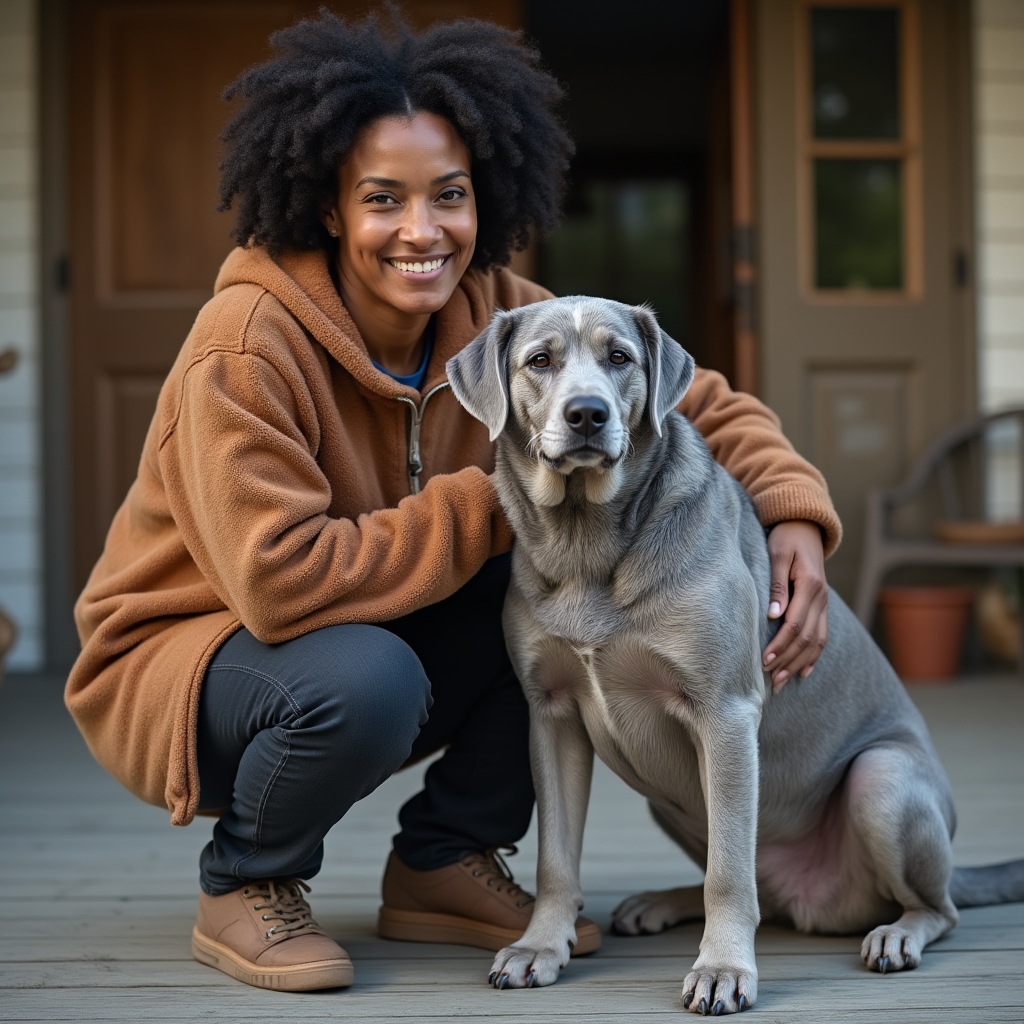
A caregiver crouching to gently check on a graying senior dog resting on a porch during a home visit

Care that adjusts as pets age

A senior dog needs a shorter, slower walk. A young cat left alone too long might need a second visit added to the week. We treat the plan as something that changes with the pet, not something fixed at the first booking.

Community focus

Working street by street, not city-wide

Rather than spreading thin across an entire metro area, caregivers are assigned to a manageable set of neighborhoods. This keeps travel time between visits short and lets the same person return to the same streets, the same homes and often the same pets over time.

Familiarity with a neighborhood also means knowing which parks get crowded at certain hours, which sidewalks ice over first in winter, and where a shaded route matters most in July. These details are small individually. Together they shape whether a walk feels rushed or unhurried.

Two pet care team members reviewing a notebook of neighborhood walking routes and visit schedules at a table

Curious how these values show up in an actual schedule?

The next page walks through booking, visits and updates from start to finish.

See How We Work